What guests actually steal from Airbnbs (a real list from last year)
Hoststock Team
8 April 2026
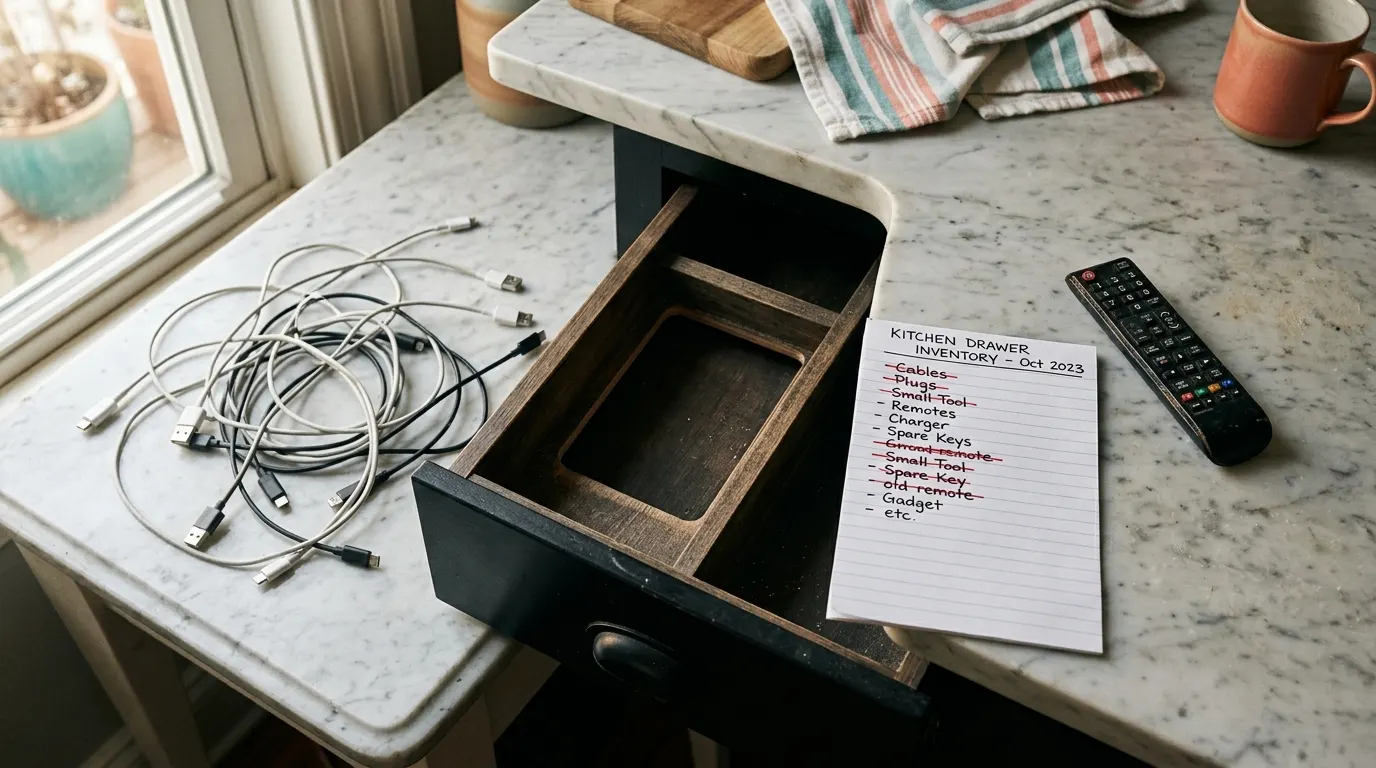
I started keeping a missing-items log last February because one of my cleaners said she was tired of hearing "no hairdryer here either" from incoming guests. It started as a spreadsheet, became a Hoststock inventory category, and by the end of twelve months it was the most surprising bit of data I have about my properties. Five units, 312 bookings, and a very specific list of things that walked off with people.
There are two piles here really. The stuff that clearly went home by accident in someone's suitcase, and the stuff that was almost certainly taken on purpose. They are different problems and they need different responses.
The accidental pile
Most of what goes missing is small, cheap, and gets shoved into a suitcase by mistake on the last morning of a stay. The biggest offender by a mile is phone chargers. I do not mean the ones guests bring, I mean the spare USB-C and Lightning cables I leave in the bedside drawer as a courtesy. I lost 19 of them last year. Nineteen. At £4 to £6 each, that is £80 to £110 just in cables.
Second place: the little bluetooth remote for the Roku TV in the living room of two properties. Guests kept pocketing them along with their own phone. I replaced four over the year. I now stick the remote to the underside of the coffee table with the strongest 3M double-sided pads I could find at Toolstation.
Then there are the softer things. Slippers, throw blankets, the occasional pillowcase. If you leave out nice toiletries in proper bottles (not sachets), expect to replenish at least one 250ml bottle per four or five stays, because somebody inevitably chucks it in their wash bag and forgets. This is not stealing really, it is jet-lagged packing, and I mostly just plan for it now.
The deliberate pile
This is the one that annoys me. The first properly weird one was a £45 Sage milk frother that had been on the counter for eight months. A guest left a glowing review, five stars, handwritten note in the guest book. Milk frother gone. Not even a mention of it.
Other things that walked last year:
- One hairdryer, a mid-range Babyliss I had paid about £29 for
- Two sets of £12 rechargeable bluetooth shower speakers from the bathroom shelf
- Three throws from the West Elm pile in the living room of the barn property (£55 each, those ones stung)
- A set of four ceramic coasters that came with the flat from the previous owner
- The last one is embarrassing: a framed print from the hallway, £80 from Desenio
Total cash value of the deliberate pile for the year: around £370 across five properties. Not catastrophic, but it adds up when you look at it next to the savings I made switching towel weights last year.
What I actually changed
The thing that worked best for me was the generic swap. I stopped putting anything branded or recognisably expensive in obvious spots. The Babyliss hairdryer got replaced with an unbranded £14 one from a local cash-and-carry. The Sage milk frother is no longer offered at all. Guests who want frothy milk can use the coffee machine's steam wand. The bluetooth speakers I removed entirely. People bring their own anyway.
The throws are the one I keep second-guessing. I tried swapping to cheaper IKEA ones at £15 each, but the barn property is a £280-a-night listing and the guests there do actually notice. I compromised: cheaper throws in the upstairs bedrooms, original West Elm ones only in the main living space where they are in constant view. I lost none of the nice ones in the six months since.
I also got bolder about the coasters and wall art. Both now have tiny hidden 3M command strips on the back. You cannot pick them up without a bit of obvious effort. I have lost nothing in that category since I made the switch.
The stuff I stopped restocking entirely
I have a short list of things I no longer bother putting out at all, because the replacement cost was higher than the guest benefit:
- Branded hair products (went generic from a Bookers trade card, about 60% cheaper, no complaints in 14 months)
- Small kitchen gadgets like milk frothers, electric whisks, hand blenders — they get stolen or broken, not worth it
- Individual spice jars — guests use a pinch and half of them end up empty or in luggage by week two
- Decorative candles — they get burned for four hours then the new guests get a half-melted mess
What I do still put out, and what holds up: bulk toiletries in sealed dispensers bolted to the shower wall, kitchen towels (guests rarely take these, no idea why), a basic kettle and toaster that nobody has ever tried to steal, and the 500 GSM towels I wrote about last week.
Is it worth tracking?
Honestly, yes, but not because you are going to recover anything. I have never once taken a guest to task over a missing item, and I do not use the Airbnb damage system for items under £100 because it is not worth the retaliatory-review risk. I track because it changes what I buy in the first place. Last year I would have spent £110 on phone cables. This year I bought a pack of 50 no-brand USB-C cables off Amazon Business for £34. Same guest experience, a third of the cost, and I honestly stopped caring when they go missing.
Frequently asked
Should I file an Airbnb claim for stolen items?
Honestly, I do not bother for anything under about £100. The time cost of submitting the claim, dealing with Airbnb support, and risking a retaliatory review is usually higher than the item cost. For the £80 print I did file, and got reimbursed, but it took nearly three weeks and two rounds of messages. For a £14 hairdryer it is not worth the friction.
Do cameras help?
In common areas only, and only if you disclose them clearly in your listing. I have a Ring doorbell at the entrance of three of my properties and that is it. Indoor cameras are against Airbnb rules and also creepy. The doorbell footage has only ever been useful once, to confirm that a guest actually was on site when a neighbour reported noise.
What about AirCover for hosts?
AirCover covers theft and damage, but the claim threshold and the paperwork mean it is only worth using for serious incidents. For small attrition of the kind I described in this post, it is overkill. Better to bake the loss into your pricing and get on with the next turnover.
How do you track the losses month to month?
I tag missing-prone items in my inventory list with an attrition-rate note and set the reorder threshold based on actual loss rate rather than usage rate. For phone cables I set reorder to fire at 3 remaining instead of 1, because I know I will lose a couple per month regardless. Hoststock lets me set a per-SKU override for this, but any inventory system with per-item thresholds works the same way.
The summary I keep on the fridge
If I had to put my year of theft data on a postcard, it would read: generic swaps protect the cheap stuff, command strips protect anything decorative, and do not put anything branded or obviously expensive on a visible counter unless you are willing to replace it every eight months. The stuff that does not walk is usually the stuff nobody actually wants. That is either a fact about human nature or a compliment to my interior design, and I am honestly not sure which.
Ready to streamline your inventory?
Start managing your rental inventory smarter with automated stock tracking.
Start Free Trial