Autumn damp in Edinburgh and Brighton Airbnbs: the extractor fan, heating timer, and October check that stops the mould message
Hoststock Team
1 October 2026
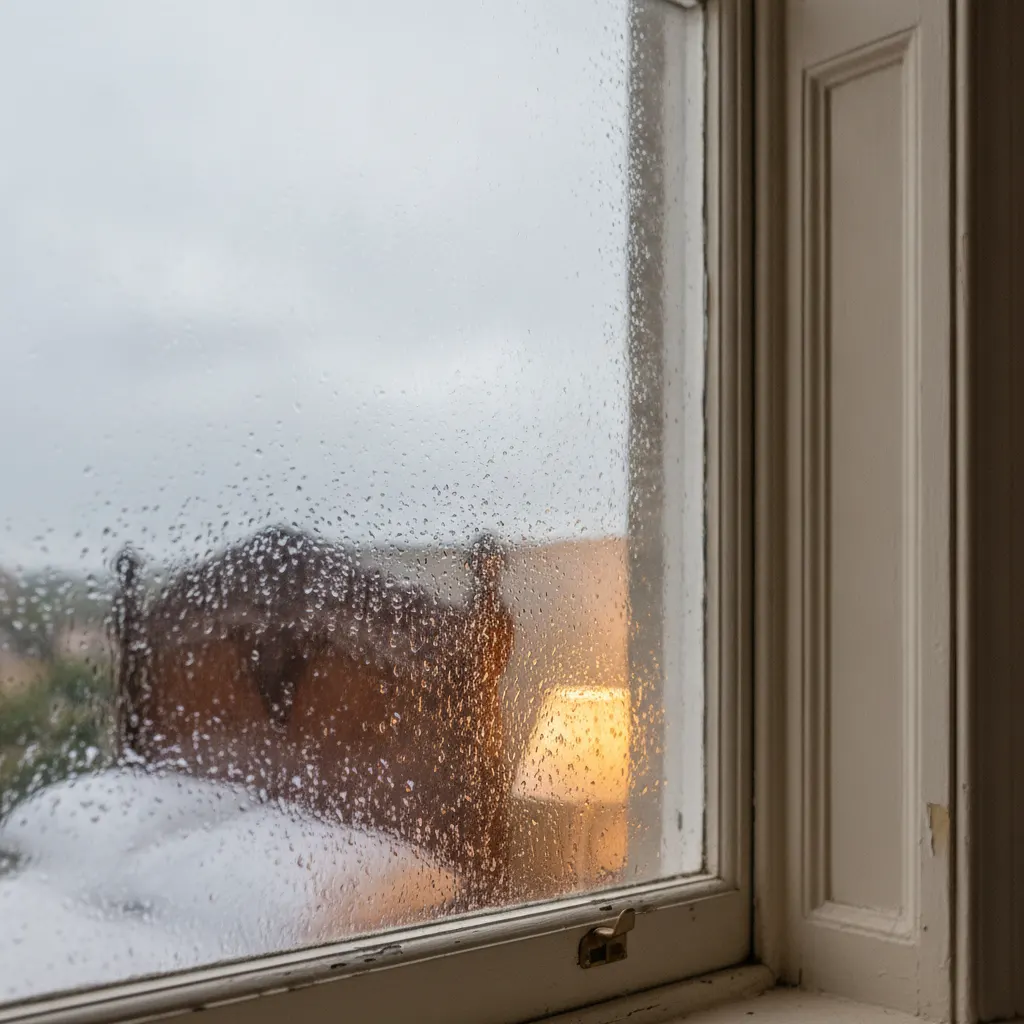
The message came at 7:32am on a Thursday in November. "There's condensation on every window and it smells a bit musty." It was the Edinburgh flat. The guests had arrived two days earlier and apparently hadn't opened a window since, had been cooking every evening, and the flat had been sitting at 22°C with zero ventilation. None of that is unusual — it's what guests do. The flat's job is to handle it.
Mine wasn't handling it. The extractor fan in the bathroom had failed in September and I hadn't noticed because the summer guests opened windows and the problem didn't manifest. Come November, the first cold week, guests cooking and showering in a sealed box, and I had the exact condensation-and-mould setup I should have caught in the autumn check.
That review cost me a tick in the Cleanliness category. "Slight mould smell" in the comments. I was lucky it was just a tick and not a paragraph.
The seasonal transition nobody plans for
Autumn is the highest-risk season for condensation and damp in UK rental properties. Here's why: you're moving from a period where guests open windows (summer) to a period where they don't (winter). Cooking, showers, and occupancy generate moisture. That moisture needs somewhere to go. If the ventilation isn't adequate, it goes into the walls and window frames.
The properties most at risk are:
Old stone buildings — Georgian and Victorian tenements, terraced cottages, anything built before cavity wall insulation was standard. Stone retains cold, window glass is cold, warm moist air hits the glass and the external walls and condenses. Edinburgh Old Town is full of these. Brighton's older stock near the seafront too.
Ground-floor flats with inadequate airflow. My Edinburgh flat is second floor, which helps. The ground-floor flat underneath the same building had black mould in the bedroom corners last November — the landlord isn't a host, so he didn't catch it until the environmental health officer showed up. That is not a situation I want.
Properties with north-facing rooms that don't get direct sun. Sun dries condensation off windows and walls during the day. A north-facing bedroom that's also occupied by sleeping guests overnight gets a double hit of moisture with no drying opportunity.
What I changed after that November message
Four things, in order of impact:
1. Fixed the extractor fan immediately. Replaced it with a timer-run model — runs for 20 minutes after the light switch is turned off. These cost about £35 from Screwfix (Airflow iCon Eco range). It's a small fix but it's the single most important one. Bathroom moisture accounts for a disproportionate share of a flat's humidity load.
2. Added a Tado schedule that prevents the flat from going below 17°C when occupied. Cold surfaces produce more condensation. Keeping background heat on — even at 17°C — reduces the temperature differential between room air and window glass. Tado's occupancy detection helps here: it only heats when there's a booking, which keeps running costs reasonable. I estimate it adds about £15–20 per month in heating during winter, which is cheaper than one mould remediation job.
3. Put a condensation-alert note in the guest welcome card. "In cold weather: leave the bathroom extractor fan on for a few minutes after showering. Open a window for 5 minutes in the morning before heading out." I was resistant to adding notes that make guests feel like they're being lectured. But the alternative is guests doing none of those things and me getting the musty-smell review. The note is in the house manual, two sentences, not a lecture.
4. October property check, every year, added to the maintenance calendar. I now do a specific condensation inspection — check extractor fans are working, check window frames and reveals for early mould signs, check silicone sealing in the bathroom. I added this after my November incident. Last October I caught a failing extractor fan in the Brighton flat before any guests noticed. That's the check earning its place.
Wiping down vs treating
If you find early condensation marks on window frames or in corners — grey speckling that hasn't progressed to black mould — HG Mould Spray is the most effective off-the-shelf treatment I've used. Spray on, leave for 30 minutes, wipe off. For surface mould on silicone, it works well. For established black mould in grout or behind plasterboard, you need professional remediation — spray treatments don't touch it, they just make it look gone temporarily.
The test: spray, wipe, check a week later. If it's back in the same spot, the mould is behind the surface and you need a professional to look at it. Don't let it run for a season before addressing. Black mould behind plasterboard requires full removal and replacement. In a period Edinburgh flat, that means specialist work and potentially a Section 11 Notice on the building. I've seen it happen to a neighbour. Very expensive and very disruptive.
Dehumidifiers vs purifiers vs ventilation
I've written separately about air purifiers. Condensation and damp is a different problem — it's moisture content in the air, not particles. A purifier doesn't help with it. A dehumidifier does.
I run a Pro Breeze 12L dehumidifier in the Edinburgh flat bedroom from mid-October to March. It pulls the humidity in that room from 70%+ (typical in a damp Georgian stone flat in winter) down to 50–55%, which is where condensation stops forming on the window glass. The 12L capacity means it needs emptying every 2–3 days during peak winter — my cleaner does this on turnovers, but for long stays I leave a note explaining how to empty the tank.
Guests are generally fine with this. They don't care that there's a dehumidifier — they care whether the flat feels fresh or musty. The dehumidifier keeps it fresh. One guest mentioned "the bedroom felt really comfortable even in November, unlike some Edinburgh flats I've stayed in." That's the review version of: your moisture management is working.
The harbour flat in Brighton
The Brighton flat near the harbour has a specific problem: salt air from the seafront accelerates condensation on single-glazed sash windows in the one bedroom that still has original glass. I've been fighting the council's planning department for 18 months to get secondary glazing approved. In the meantime: moisture-absorber crystals (Unibond Aero 360, around £5 each, refills available) in the bedroom, bathroom extractor fan timer, and guests told to crack the sash an inch overnight in cold weather.
It's not perfect. The long-term fix is secondary glazing, which I'll get installed in the next planning round. Until then, the crystals and ventilation manage it at an acceptable level. I've had no condensation complaints from that flat since implementing it, though I get through about three Unibond refills per winter.
Before October: the four-point autumn check
Do this in the last week of September or first week of October, before overnight temperatures drop below 12°C consistently:
Turn on every extractor fan in every property. Check the airflow at the external grille — you should feel suction from outside and see the bathroom or kitchen fog clear within a minute of a hot shower. If the fan is running but not pulling air, the duct is blocked or the fan motor is going. Replace it before winter.
Check every window seal. Run a dry tissue around the rubber gasket on each window. Any moisture on the tissue means the seal is failing. Failed seals let cold air in and increase condensation on the glass. UPVC window seals are cheap — under £10 for a metre from any hardware shop. Replace before it becomes a guest issue.
Look at all the corners. Bathroom, kitchen corners above the worktop, corners of north-facing rooms. If you see grey speckling, treat it now. If you see black, call a professional before the winter bookings start.
Check your heating schedule. Make sure the timer is set to maintain at least 14–16°C overnight when occupied. Unoccupied periods can go lower — 12°C is enough to prevent pipes freezing — but guests make the flat wet and warm simultaneously, so occupied heating management is the critical one.
Do this in September, not December. By December it's too late — the mould is already there and the first guest of the winter has already found it.
Ready to streamline your inventory?
Start managing your rental inventory smarter with automated stock tracking.
Start Free Trial