Airbnb property maintenance log: what I track per property and the spreadsheet I wish I'd started in year one
Hoststock Team
19 September 2026
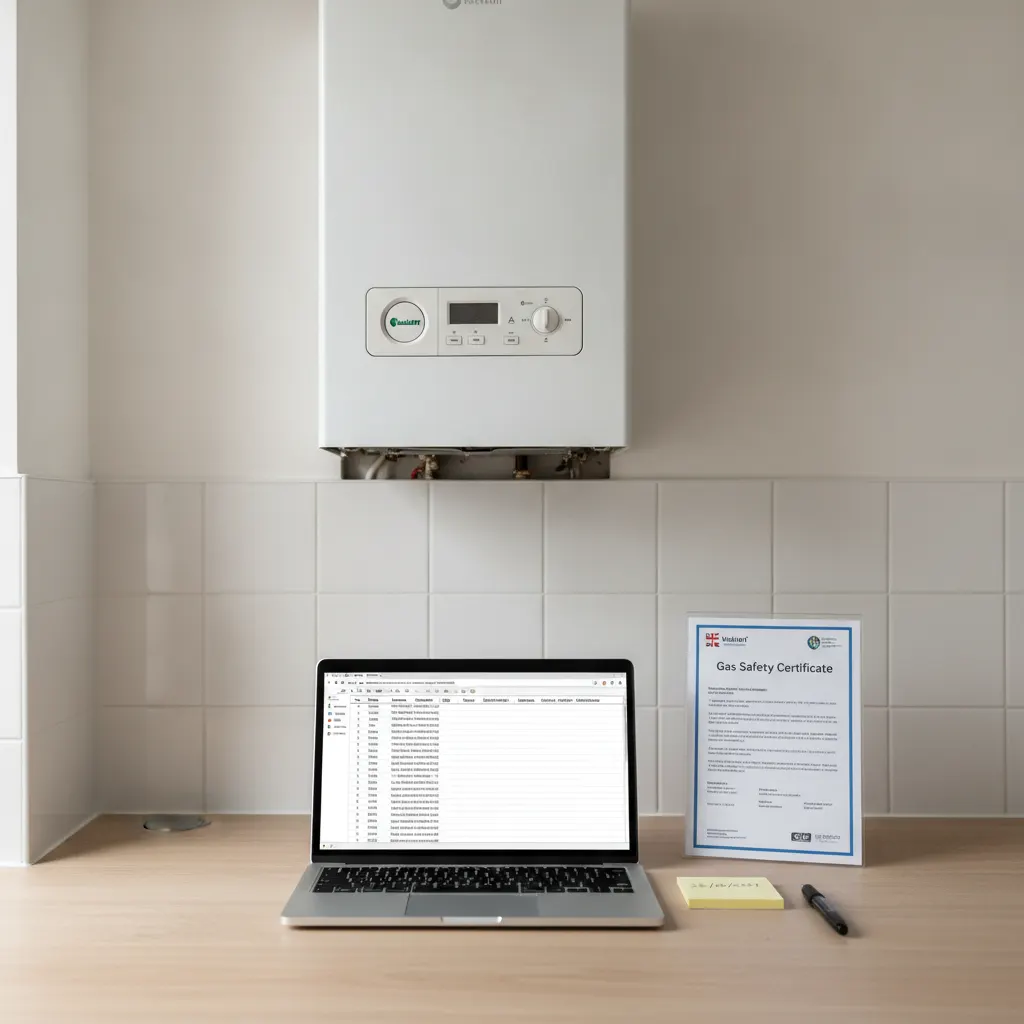
The gas safety certificate at my Brighton flat lapsed for six weeks in 2023. I didn't notice until a guest asked about it. They'd seen the certificate pinned to the boiler cupboard door and noticed the expiry date. Embarrassing. Potentially a licensing issue. Definitely my fault for not tracking it.
That was the moment I started keeping a maintenance log. A proper one, not just a mental note or a half-remembered calendar reminder that I'd already dismissed. Here's what I track and how I do it.
What the log covers
Every property has a tab in a shared Google Sheet. The columns are: item, last done date, frequency, next due, and notes. That's it. No fancy software, no property management system integration, just a spreadsheet that I open once a month and check.
The items are split into statutory requirements (things you're legally required to maintain) and operational maintenance (things you do because you want the property to work well).
Statutory, for a UK short-term let:
Gas safety certificate — annual, must be renewed before the expiry date. Engineer visits, checks all gas appliances and pipework, issues a certificate. My engineer charges about £85–100 per property. I book it six weeks before expiry to give myself margin if he's busy.
EICR (Electrical Installation Condition Report) — required every five years for rental properties in England, Wales, and Scotland. This is the full electrical installation check, done by a qualified electrician. Cost varies but expect £150–250 for a flat, more for a larger property. Mine are staggered across the portfolio so I'm not hitting five of them in the same year.
Smoke alarm and CO detector testing — legally required to be in working order at the start of each tenancy in Scotland, and there are requirements for longer-term lets in England too. For STR, I test them myself on my monthly visit. Takes five minutes. I log the test date.
Legionella risk assessment — not always required for small STRs, but I've done one for each property because the last thing I need is a guest getting Legionnaires' disease from a shower head I hadn't flushed. The assessment for a small flat costs about £80 from a plumber or specialist. For a low-risk domestic hot water system that gets used regularly (as Airbnbs do), the recommendation is typically just to keep the water hot enough and run any little-used outlets periodically. I log when I've flushed infrequently-used taps.
Operational maintenance items
Beyond the statutory stuff, here's what I track per property:
Boiler service: annual. Not legally required in the same way as the gas safety check, but a serviced boiler is a reliable boiler, and a boiler that breaks in February during a guest stay is a crisis. I book my boiler service at the same time as the gas safety certificate — one engineer visit, two jobs done. About £60–80 on top of the gas safety fee.
Boiler pressure check: I check it on every monthly visit. Takes thirty seconds. I log it. The thing about boilers in rental properties is that guests don't know how to top up the pressure and won't tell you until the heating stops working. I'd rather catch it at 1.4 bar before it drops to 0.8 bar and the radiators go cold at midnight.
Gutters: annual clean, usually October. I pay a local handyman £40–50 per property. It takes about an hour. The one year I skipped it at the cottage, I had a blocked downpipe and a damp patch on the interior wall by January. Not worth the saving.
Mattress and pillow inspection: every six months. I check for staining, sagging, any smell. Mattresses that need replacing get flagged for the next quiet period. I've got a rough replacement budget in my annual property costs.
Appliance checks: on my monthly visit, I run every appliance through a basic test. Hob burners on and off, oven to temperature, extractor fan on, dishwasher and washing machine door seals checked. The washing machine door seal is a particular one — they get mouldy in rental use because guests don't leave the door open. I clean them on every visit.
Exterior maintenance — gutters, garden (for the cottage), fence panels, path lighting: quarterly check. More after any storm.
The notes column is the most useful part
Every time an engineer visits, I note what they found. Not just 'gas safety done' — but 'gas safety done, engineer noted small discolouration around kitchen hob connection, to monitor'. That kind of note means I know to check it at the next visit and I have context when I speak to the engineer twelve months later.
Similarly for guest feedback that implies a maintenance issue. If a guest mentions in their review that 'the shower pressure was a bit low', that's a note: check shower head, possibly descale or replace. It goes in the log. Six months later I don't have to try to remember what that review said.
How often I look at it
Once a month, I go through the full sheet and look at anything due in the next 60 days. I book ahead rather than acting on the due date. For things due in the next two weeks, I take action that day.
I also look at it when something goes wrong — it's useful to know the history of a fault before calling an engineer. 'The boiler's been serviced six months ago, it's a Vaillant ecoFIT Pure 12s, and the pressure was fine three weeks ago' is a much better opening line to a plumber than 'the heating's broken'.
What I'd do differently if starting now
Start the log on day one. Not after something lapses. The first entry should be: date the property went live, gas safety certificate date, EICR date, and whatever appliances came with the property and their approximate age. Twenty minutes, one setup, and you have a baseline you can actually use.
I've set each property's log entries as recurring reminders in my Google Calendar as well — they fire two months before the due date. Redundancy is good. The spreadsheet is the source of truth; the calendar reminder is the prompt to go check it.
Nothing in this is rocket science. But the gas safety certificate situation in 2023 was avoidable and slightly mortifying. A spreadsheet and a monthly check would have caught it. Now they do.
Ready to streamline your inventory?
Start managing your rental inventory smarter with automated stock tracking.
Start Free Trial