Shower curtain vs shower screen in Airbnb bathrooms: the mould, the breakage, and which I now install
Hoststock Team
6 October 2026
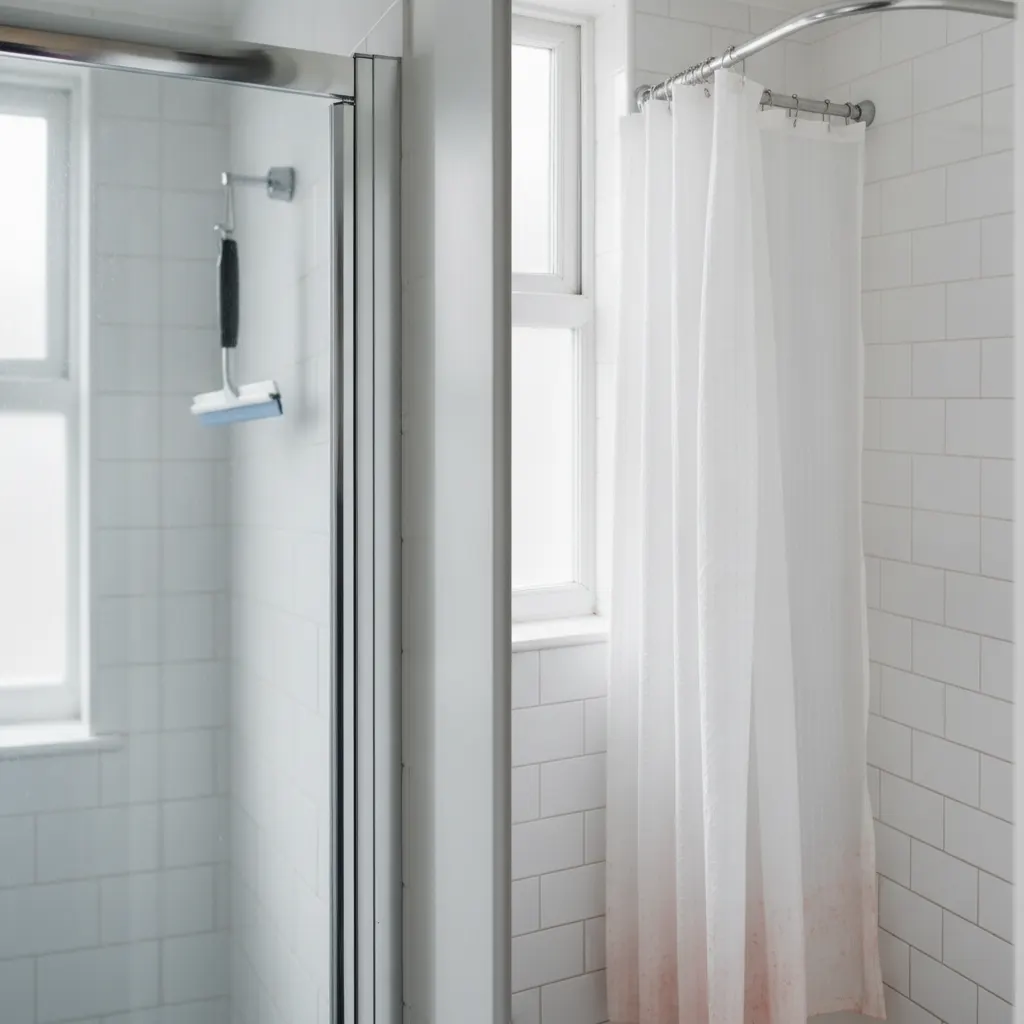
My first Brighton flat had a shower curtain. A white PEVA one from IKEA, £6.99, hung on a chrome rail I'd screwed into the tiles with a confidence that turned out to be entirely unwarranted. Six weeks and three bookings later, the bottom hem was pink-grey with mould. I binned it, bought another one. Same thing happened.
Eventually I gave up on curtains and fitted a bifold screen. Looks better, easier to clean, done. Then the third guest since installation called to say the pivot hinge had cracked. Someone had leaned on it getting out of the bath. The whole screen had to come off.
Since then I've had this argument with myself — and with other hosts in my co-working space in Kemptown — more times than I can count. Curtain or screen? There isn't one answer. But after running five bathrooms across four properties for four years, I have a strong view on which works in which situation, and what the actual costs look like.
The case for curtains (don't dismiss it)
Curtains are cheap. That's the argument, start to finish. A reasonable polyester curtain — not the £3.99 ones that disintegrate in the wash, but an actual 180 × 180cm weighted-hem version — costs around £12–18 at Amazon or Dunelm. Rings, rail, and all hardware included if you buy a set: around £25 for the lot.
When it moulded, I binned it and spent £18 again. No installation. No tiles to reseal. Five minutes. For a property that's turning over three or four times a month, this is not a trivial advantage.
The mould issue is real but manageable. PEVA curtains (polyethylene vinyl acetate — not fabric, not plastic exactly, somewhere in between) are genuinely more mould-resistant than polyester. They also wipe clean rather than needing a machine wash. I've run a Spirella PEVA curtain in my Edinburgh Bruntsfield flat for fourteen months without a mould problem, and that bathroom is small and the ventilation is poor. The trick is buying one with an antimicrobial coating and replacing it every 12–18 months regardless of appearance.
Curtains also don't shatter. A guest running a bath who grabs the curtain for balance doesn't break anything. They pull the rail off the wall at worst, which is a ten-minute fix. In my Lake District cottage — where guests include families with young children and the occasional stag group — curtains are almost certainly the safer choice.
The case for screens (also don't dismiss it)
Screens photograph better. That sounds trivial but it isn't. My Brighton flat listing photos went from fine to noticeably better the week I fitted a glass panel screen. An open glass screen makes a small bathroom look larger, and a listing photo is the first thing a guest sees before booking.
They're also genuinely easier to maintain. You run a squeegee down the glass after a shower, apply some Astonish Glass & Surface Cleaner twice a week during turnovers, and the thing looks good indefinitely. No ring marks, no fabric to harbour smells, no mould at the hem.
The silicone seal is the weak point. It runs along the bottom edge where the screen meets the shower tray, and up the side where it meets the wall tile. In hard water areas — Brighton is very hard — white limescale deposits build up on the frame and at the seal. The seal itself can mould if it's not replaced annually. I wrote a separate post about bathroom silicone maintenance, which covers this in more detail, but the short version is: budget for a two-hour reseal job once a year per shower screen and it won't become a guest problem.
Breakage is less common than I'd feared after the bifold incident. Fixed-panel screens — a single piece of 6mm toughened glass in a minimal frame — are extremely robust. The panel itself almost never breaks from normal guest use. Hinges, pivots, and bifold mechanisms are the weak link. I've stopped buying anything with moving parts.
Cost comparison: what the maths actually looks like
I track replacement costs per bathroom across five properties. Here's what the numbers say after four years.
Curtain route: Initial setup around £25–30 (curtain + rail + rings + fixings). Average lifespan before replacement — washing notwithstanding — about 12 months at 3–4 turnovers a week. Annual cost per bathroom: roughly £18–25 in curtain replacements. No professional input required.
Screen route: Fixed panel 700–800mm wide runs £80–130 at Screwfix or Toolstation for a basic chrome-framed version. Add silicone kit (£8) and your time or a plumber's hour (typically £60–90 for an independent in Brighton, £70–100 in Edinburgh) to fit it and seal it. Annual reseal cost: £10–15 in silicone plus an hour. Total year-one cost: £150–230 depending on whether you fit it yourself. Year two onward: £20–30 per year in maintenance.
Over three years, the screen is cheaper per bathroom once you're past year one. But the breakeven assumes no screen replacement. If a guest does damage it — and it has happened — you're looking at an insurance claim, a replacement panel, and a day without that bathroom.
What I actually run now
Fixed panel screens in my two Brighton flats, both with good bathroom ventilation and adult-only (no young children in listing filters). The photos are better, the maintenance is simpler, and four years without a breakage.
Curtains in the Lake District cottage and the Edinburgh Newington flat, which both have smaller bathrooms and more active guests. The PEVA curtains from Spirella or the Better Bathrooms range — not the £5 polyester ones — are replaced every October and April. That's roughly £20 a year per bathroom in replacement cost.
The Edinburgh Bruntsfield flat has a screen because the previous owner fitted it and removing it would mean replastering. It's a fixed panel, it's fine, I maintain the seal and that's that.
The mould question, answered properly
Mould in shower curtains comes from two places: the hem sitting in standing water at the base of the shower tray, and the rings and rod where water collects and doesn't dry. PEVA curtains are better than polyester, but not immune. Two things help. First, fit a weighted hem curtain that hangs away from the spray arc — most modern curtains do this — so it's not sitting in pooled water. Second, dry the curtain out properly after each shower. Guests obviously don't do this. But a decent extractor fan running on a 20-minute overrun timer will drop the bathroom humidity enough to reduce the mould rate substantially.
Screens don't mould on the glass itself. They mould at the silicone seal, in the aluminium frame channels, and at the edge where the screen meets the wall if the grout or tile seal is deteriorating. The screen looks clean. The bits you can't easily see are where it goes wrong.
The one thing I'd do if I were fitting out a new property today
Fixed panel screen in any bathroom where the listing photos matter and the guest profile is adults. Budget £80–130 for the panel, seal it properly, replace the silicone annually, run a squeegee after each turnover check. Don't buy bifold. Don't buy frameless pivot (too expensive, seals fail). Just a basic straight panel, chrome frame, 6mm glass.
Curtains in bathrooms where durability and quick replacement matter more than aesthetics — a family-friendly property, a budget let, anywhere with young guests or high turnover. Buy PEVA not polyester. Replace every 12–18 months. Spend £18, not £5.
And whatever you fit — check the seal, the rail fixings, and the grout at the base of the shower tray every six months. The thing that turns a shower curtain or screen into a guest problem is never the curtain or screen itself. It's always the bit you stopped looking at.
Ready to streamline your inventory?
Start managing your rental inventory smarter with automated stock tracking.
Start Free Trial