Pet-friendly Airbnb: what I changed across four flats, what it added to my cleaning bill, and whether it was worth it
Hoststock Team
20 June 2026
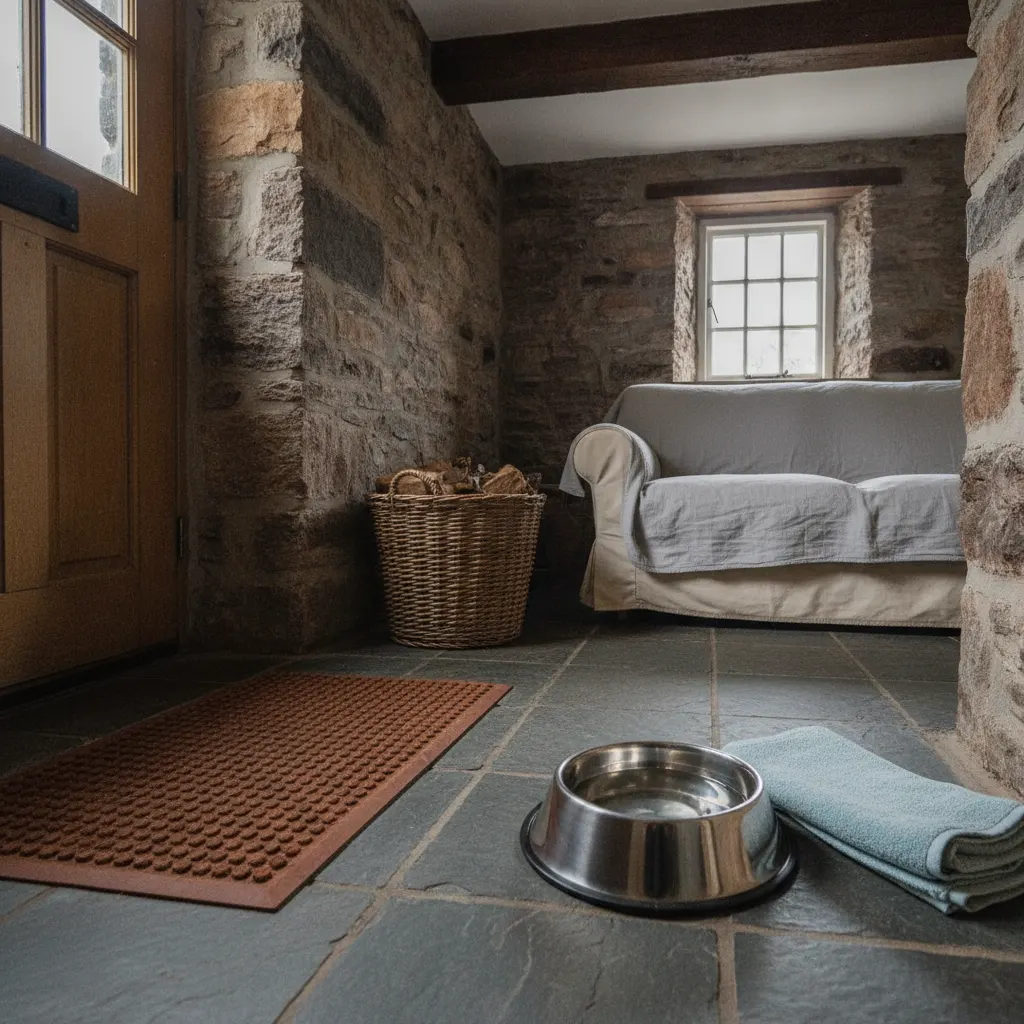
I resisted going pet-friendly for three years. The conversation with my cleaner in Brighton — "I am not doing pet hair, full stop" — stuck in my head longer than it should have. I pictured ruined sofas, chewed table legs, and five-star reviews asking why there was a terrier smell in the hallway.
In January 2024 I switched four of my five properties to pet-friendly. Here's what actually happened.
Why I changed my mind
Two things shifted my thinking. First, I started tracking enquiries I was declining. Over six weeks in autumn 2023, I declined or ignored fourteen booking requests that mentioned pets — I could see from the messages that the guest had a dog or cat and was asking before booking. That's fourteen bookings I didn't have. At an average stay value of around £310 for those requests, that's roughly £4,300 in potential revenue I walked past.
Second, I looked at the listing density in my markets. In Brighton, roughly 30% of Airbnb listings I could find were pet-friendly. In Edinburgh Old Town, it was closer to 20%. The Lake District, where you'd expect it to be higher, was around 40%. Meaning: 60–80% of listings in my markets weren't accepting pets. Supply constraint for pet guests — which should translate to higher occupancy and potentially higher pricing power, if I was set up to deliver it well.
What I actually changed
The operational changes were more involved than I expected.
Flooring. I replaced the carpets in two bedrooms across my Edinburgh studio and one bedroom in the Brighton flat with LVT (luxury vinyl tile). Not specifically for pets — I'd been planning to do it anyway — but it accelerated the timeline. Hard floors are significantly easier to clean after a dog visit than carpet.
Sofa covers. I bought washable sofa covers for every property. From Ikea's KIVIK range and one from Amazon Business — the Amazon ones were cheaper per unit at around £22 each. These get washed between every pet booking. They don't look beautiful, but they prevent the specific nightmare of a Labrador sleeping on a cream linen sofa for four nights.
Pet-specific cleaning kit. I gave each property a dedicated pet hair roller, a rubber brush attachment for the vacuum, and a bottle of enzymatic spray (Petzyme, roughly £8 per litre). The enzymatic spray is non-negotiable — it breaks down the proteins in pet urine and odours that standard spray-and-wipe doesn't touch.
House rules update. I added clear pet rules: maximum two dogs, no pets on beds, pet hair to be removed from furniture before checkout, and a statement that guests leaving a property requiring additional cleaning would be charged. I also added a line asking guests to declare if their pet had any accidents — not as a threat, but because early enzymatic treatment is significantly more effective than delayed treatment.
The cleaning cost reality
I pay my Brighton cleaner £16/hour. A standard turnover takes around 2.5 hours. A post-pet turnover — pet hair, enzymatic spray on any risk areas, sofa cover wash — takes closer to 3.25 hours. That's about £12 extra in cleaning labour per pet booking.
The sofa covers add one load of laundry per pet booking, which I do on-site. Roughly £1 in energy cost, fifteen minutes of handling. Total additional cost per pet turnover: around £13–14. Call it £11–13 depending on the property and what the dog left behind.
I offset part of this by charging a pet fee. On Airbnb, you can add a per-stay pet fee to your listing — I charge £35 per booking for up to two pets. That's £35 against a £13 additional cleaning cost, leaving around £22 net contribution per pet booking toward the incremental hassle and supply cost.
Impact on bookings and revenue
Year-on-year revenue comparison, January–December 2024 vs 2023 (same four properties):
- 2023 (no pets): £84,200 across four properties
- 2024 (pet-friendly from January): £96,100 across four properties
That's a 14.1% increase. I can't attribute all of it to pet-friendliness — 2024 was also a stronger year for UK domestic travel overall. But the Lake District cottage, which saw the most dramatic change (it went from 61% occupancy to 78%), and which is where the pet-friendly filter makes the biggest search difference, points fairly clearly at pets as a meaningful contributor.
The Edinburgh studio change was smaller — about 8% revenue increase — because it's a city-centre property and pet guests are a smaller proportion of the Edinburgh urban market than the rural one.
Impact on reviews
This was what I was most nervous about. Pet guests who get the property in good condition and find it genuinely pet-friendly — a water bowl in the welcome note, a little treat in the welcome bag, a door mat for muddy paws — turn out to leave excellent reviews. My average review score across the four properties in 2024 was 4.88, compared to 4.84 in 2023. Small movement, but in the right direction.
I had one 3-star review from a non-pet booking that mentioned "a slight pet smell" in the Lake District cottage. I'm fairly sure this was legitimate — I'd had three consecutive pet bookings and the turnovers had been quick. I added an extra deep-clean slot after every third pet booking, which resolved it.
What I'd tell a host thinking about switching
The cleaner conversation matters. My Brighton cleaner came around once I explained the additional time billing and the pet-specific kit she'd be working with. The resistance was about uncertainty — "what does cleaning after a dog actually involve" — not about the work itself. Once she understood the protocol and knew she'd be compensated for the extra time, it was fine.
Don't go pet-friendly on a property with carpets you care about. The LVT switch in Edinburgh cost me about £900 installed and has paid for itself in avoided carpet replacements and faster pet turnovers.
And the water bowl. Put a dog bowl in the welcome note. It costs nothing and guests mention it in reviews with a frequency that still surprises me. The thing that makes a guest feel their dog is welcome isn't the £35 pet fee — it's the bowl on the floor and the message that says "we're glad Biscuit's joining you."
The one property I kept pet-free
The second Edinburgh flat. It's on the fourth floor with no lift and a very narrow communal staircase. Getting a dog up four flights of stone stairs in an Old Town tenement building is genuinely unpleasant, and I've kept it pet-free on the grounds that no sensible dog owner is going to enjoy the access. It's also the property in the building where the management committee is most likely to take issue with anything that causes additional wear on communal areas.
Pet-friendly everywhere is a strategy. Pet-friendly where it makes sense is probably better. Know your building, your market, and your cleaner's tolerance before you flip the switch.
Ready to streamline your inventory?
Start managing your rental inventory smarter with automated stock tracking.
Start Free Trial